Frank Gehry
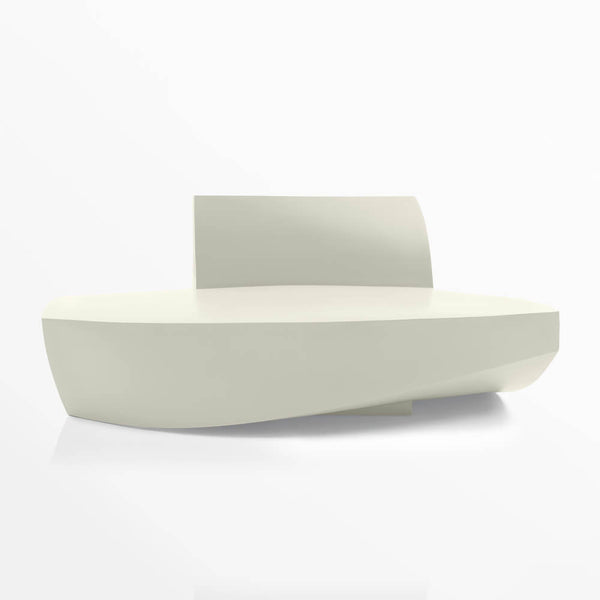
His revolutionary buildings—like the titanium-clad Guggenheim Bilbao and Walt Disney Concert Hall—defy conventional forms with their undulating, sculptural designs. Beyond architecture, Gehry applies his genius to furniture design, creating pieces that appear unconventional yet deliver surprising comfort.
A Pritzker Prize winner and Presidential Medal of Freedom recipient, Gehry brings a playful sophistication to everything he creates, guided by his belief that great design must balance artistic vision with practical function—making even his most experimental works remarkably livable.
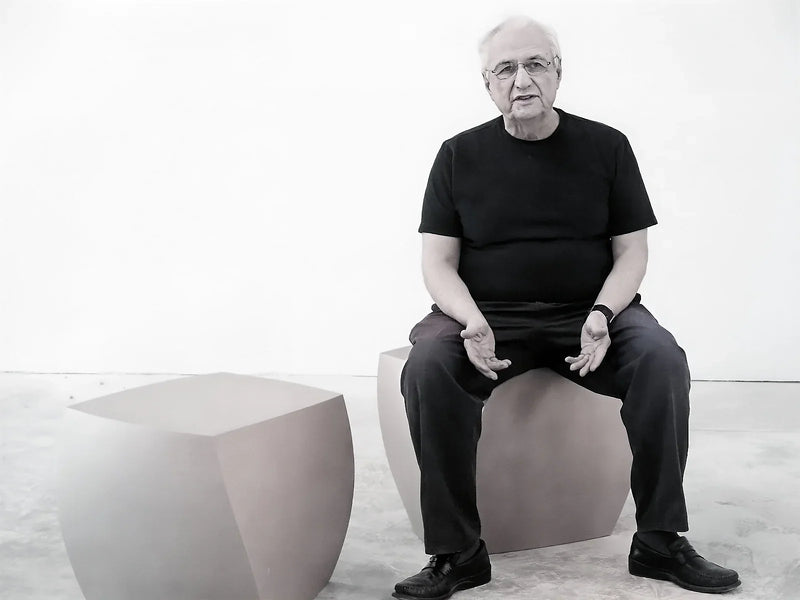
“Your best work is your expression of yourself. Now, you may not be the greatest at it, but when you do it, you’re the only expert.”
- Frank Gehry
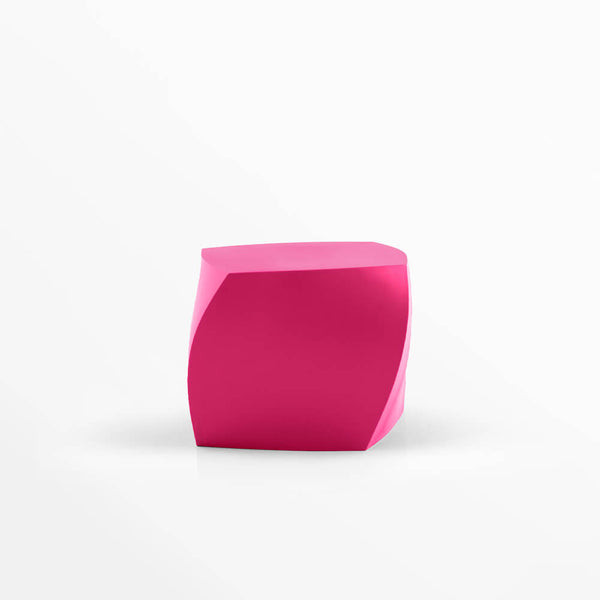

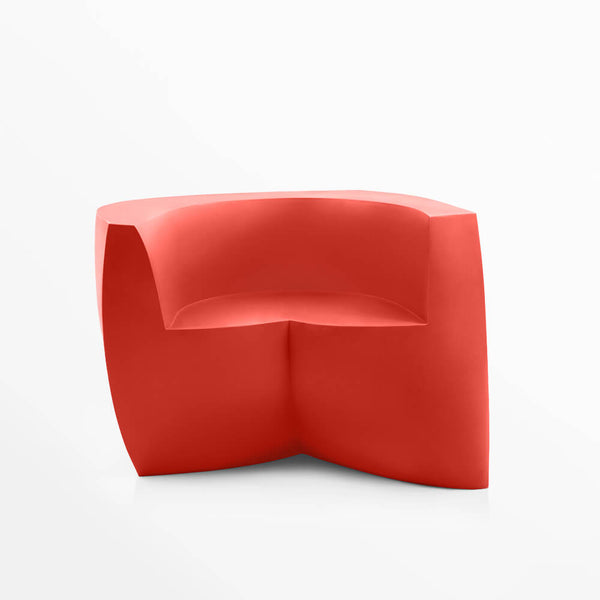
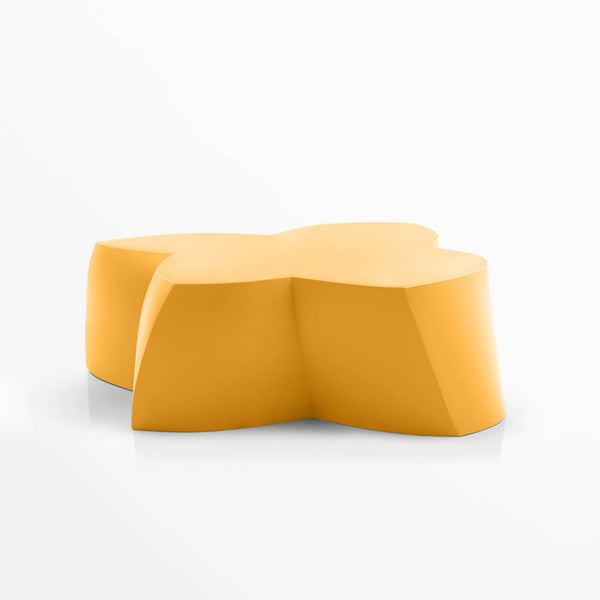
Designer Story
As a modernist inspired by Alvar Aalto, he has always focused on how to "humanize" a building. His answer: through the inventive use of materials.
In his approach, he has always been more of an artist than a traditional architect. Like contemporary painters Robert Rauschenberg and Jasper Johns, he created beauty by juxtaposing ordinary materials.
His early buildings incorporated corrugated tin and chain link fencing. He made his early furniture from cardboard rolls inspired by the discards of architectural models. Critics didn't like his buildings because they weren't classical, had strange colors, and were excessively large in scale. He didn't get many jobs at first.
But Gehry wasn’t fazed. “You have to free yourself of all the rules to let ideas happen.” In 1962, Gehry started his own practice. His ideas led to some of the most amazing and creative buildings in the world.
Gehry became famous in 1997 with the Guggenheim Museum in Bilbao, known for its unique titanium-clad curves. His earlier work, like the Vitra Design Museum, also gained recognition for its innovative design. The Disney Concert Hall in Los Angeles was a big success in 2004. Its shiny stainless steel sails sparkled in the sun.
Gehry's method of creation is incredibly tactile. He has always had a fondness for manual work, and he recalls some of his most joyful childhood moments were spent playing with construction toys. His skill in a pottery class during university prompted a lecturer to suggest he pursue architecture. Despite the prevalence of technology today, Gehry still relies on paper, ink, and shears to bring his designs to life.
First, he must fully understand his client's instructions and the location and purpose of the building. He believes that the more information he has, the more creative freedom he will have.
Next he scribbles loose conceptual sketches. He works with his team to make models of different sizes by cutting, folding, creasing, crushing, and gluing materials. After he likes a model, he scans it into a computer program that creates architectural plans.
Frank Gehry’s unique vision has brought him numerous honors, including the 1989 Pritzker Architecture Prize, the 1998 National Medal of Arts Award, the 1999 American Institute of Architects Gold Medal.
With his original and controversial vision, he continues to take creative risks and to transcend the boundaries of architecture.


